
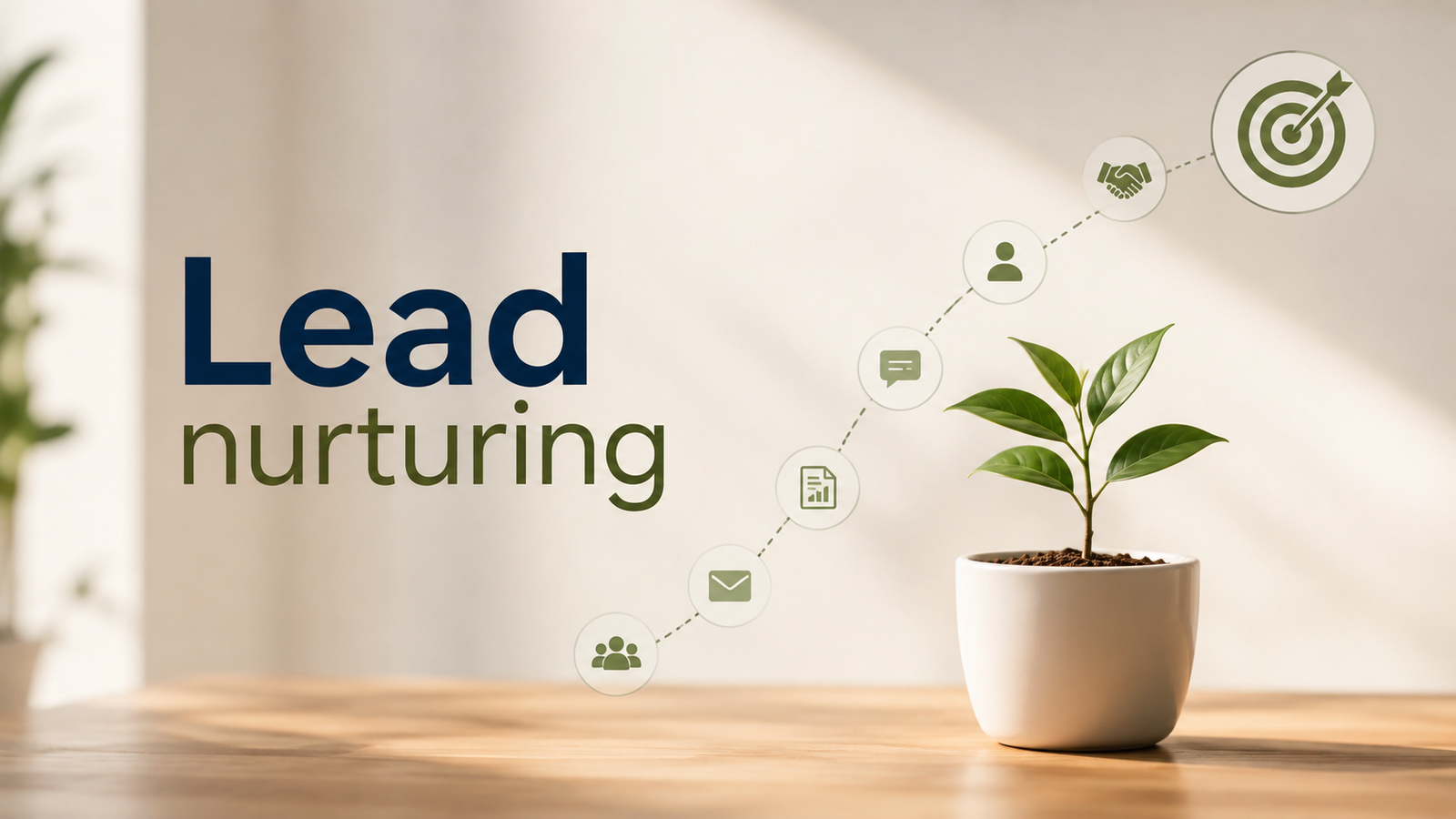
Lead nurturing is the process of building meaningful relationships with prospects by providing valuable information and resources throughout their buying journey. It keeps prospects engaged and interested in your products and services while addressing their specific pain points and buyer intent.
In simple terms: Lead nurturing means educating and building relationships with customers at every stage of the sales funnel—from initial awareness through final purchase decision.
Unlike traditional marketing that focuses on direct sales, lead nurturing ensures your brand remains top-of-mind by consistently delivering relevant, personalized content that guides prospects toward conversion.
Why Lead Nurturing Matters
- Motivates Prospects – Educates prospects about your products and services, building confidence in your solution.
- Accelerates Sales Cycles – Shortens the buying process by helping prospects make faster, more informed purchasing decisions.
- Improves ROI – Generates better return on investment compared to non-nurtured leads.
- Builds Stronger Relationships – Creates deeper, more meaningful customer connections that extend beyond the initial sale.
Lead Generation vs. Lead Nurturing
| Aspect | Lead Generation | Lead Nurturing |
|---|---|---|
| Definition | Attracting potential customers and capturing their interest | Building relationships with prospects through relevant content |
| Goal | Bring prospects into the sales funnel | Convert prospects into customers |
| Timeline | Initial stage | Ongoing throughout the buyer journey |
| Result | Qualified leads | Sales-ready customers |
Effective Lead Nurturing Strategies
1. Prioritize High-Intent Leads
Identify your most engaged prospects by analyzing their recent activities—downloads, guide access, report views, budget information, and lifetime value. Send personalized emails highlighting how your product delivers ROI for their specific needs.
2. Nurture Low-Engagement Leads Consistently
For prospects showing less activity, maintain consistent touchpoints through newsletters and blog posts that address their key pain points. Adjust your effort level based on their demonstrated interest level.
3. Build Long-Term Relationships
Lead nurturing is a long-term investment. Prospects who don’t convert today may become customers later or refer others. Focus on providing genuine value to build trust and loyalty.
4. Test and Optimize Regularly
Review your lead nurturing strategy weekly. Track metrics like open rates, click-through rates, and free trial sign-ups. If a strategy isn’t working, test alternative approaches. Once something performs well, commit to it for a longer period.
Top Lead Nurturing Channels
1. Email Marketing
Email remains one of the most profitable channels for B2B lead nurturing. It enables direct, personalized communication. Send targeted emails educating prospects about your products and addressing their specific challenges. Use trigger-based emails when prospects show activity.
2. LinkedIn
LinkedIn connects you with decision-makers and industry professionals. Share relevant articles, blog posts, or create polls about common objections related to your products and services. This improves your visibility among potential buyers.
3. Retargeting Ads
Retargeting reaches prospects who’ve shown interest through website visits, report downloads, form sign-ups, or pricing page visits. These ads remind prospects of your value and increase the likelihood of re-engagement with your sales team.
4. Personalized Messaging Across All Channels
Craft personalized messages for every touchpoint—include birthday greetings, seasonal offers, or custom discount codes. This creates loyal, long-term customer relationships.
Conclusion
Lead nurturing is essential for educating prospects, building awareness, and converting them into customers. By understanding your target audience and delivering hyper-personalized content, you can effectively move prospects through the sales funnel.
Lead nurturing is also a powerful tool for re-engaging and reconnecting with past leads who showed initial interest—sometimes these relationships convert months or years later when timing and circumstances align.
